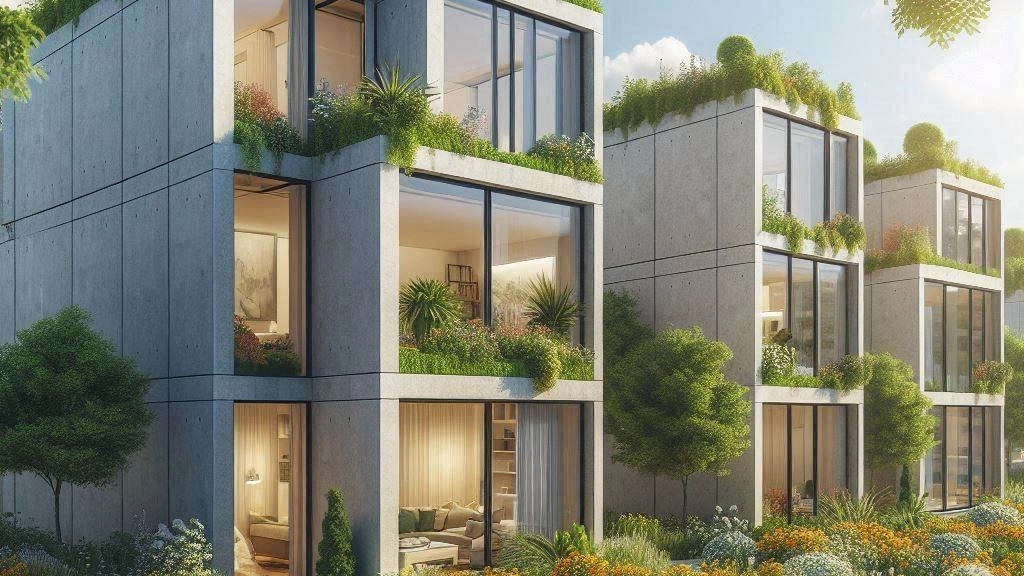
The prefabricated structure is a structure that is produced separately in another location before construction and then moved to the final location and united there. These structures include components such as panels, columns, balconies, stairs and ceilings that are separated and then connected to each other at the installation.
prefabricated structures are used for residential, commercial and industrial buildings. These types of structures have advantages such as high speed in construction, reduced workforce requirement, reduced construction material loss, high quality control, easy transportation, and relatively lower costs.
Prefabricated structures can be made of various materials such as concrete, steel, wood and other style materials. Also, these structures can be produced in a variety of designs and forms and can be customized according to architectural and structural needs.
Due to the benefits of prefabricated structures, their use in the growing construction industry day by day. Is. With the development of new technology and methods, prefabricated structures have made many improvements in areas such as energy, sustainability and safety of buildings.
Benefits of Concrete Prefabricated Structure:
- مقاومت بسیار بالا در برابر آتشسوزی دارند.
- داشتن مقاومت بالا در برابر رطوبت و آب.
- عمر مفید بالایی در مقایسه با دیگر انواع سازهها دارند.
- قیمت مناسب ساخت این سازهها
- مصالح این سازه را میتوان به اشکال مد نظر خود در آورد.
- راحتی فوقالعاده در نصب و اجرای آنها.
- همچنین چون قطعات این سازه در کارخانهها تحت نظر افراد با تجربه و متخصص و با برنامهریزی تولید میشوند، کیفیت و مرغوبیت بیشتری نسبت به سازههای بتنی درجا دارند.
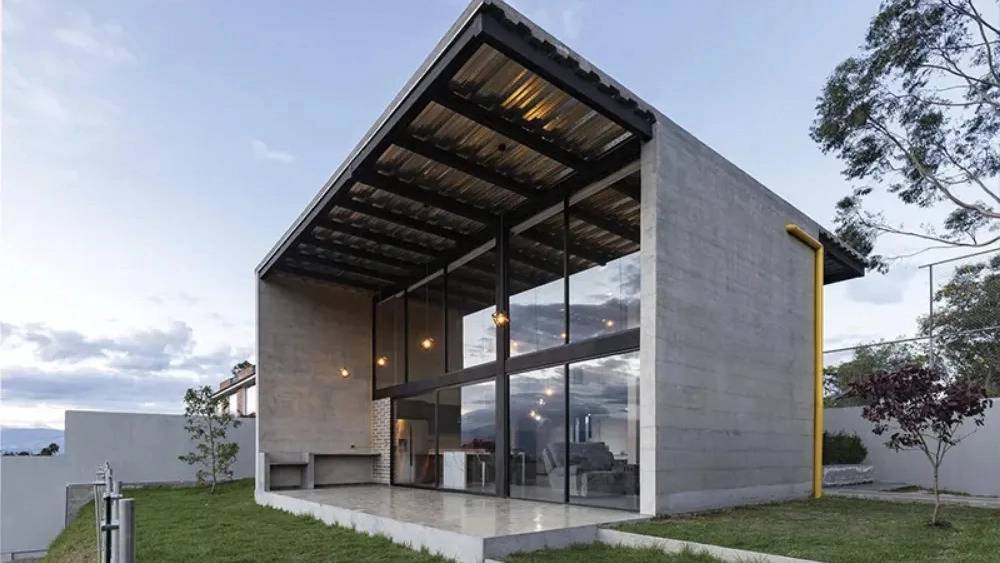
Concrete prefabricated structures have many benefits. In short, the main advantages of prefabricated concrete structures are:
Fire resistance:
Concrete is a non -flammable material and prefabricated concrete structures are highly resistant to fire. This feature makes prefabricated concrete structures effective in spreading fire and maintaining building health and safety.
Resistance to moisture and water:
Concrete, naturally highly resistant to moisture and water. Prefabricated concrete structures are manufactured as standard and are manufactured in factories under controlled conditions, so the cracks and leaks are reduced and resistance to water penetration is preserved.
High Shelf life:
Prefabricated concrete structures have a high shelf life. Due to the use of high quality materials and compliance with manufacturing standards, concrete prefabricated structures are usually longer than traditional structures and require less maintenance.
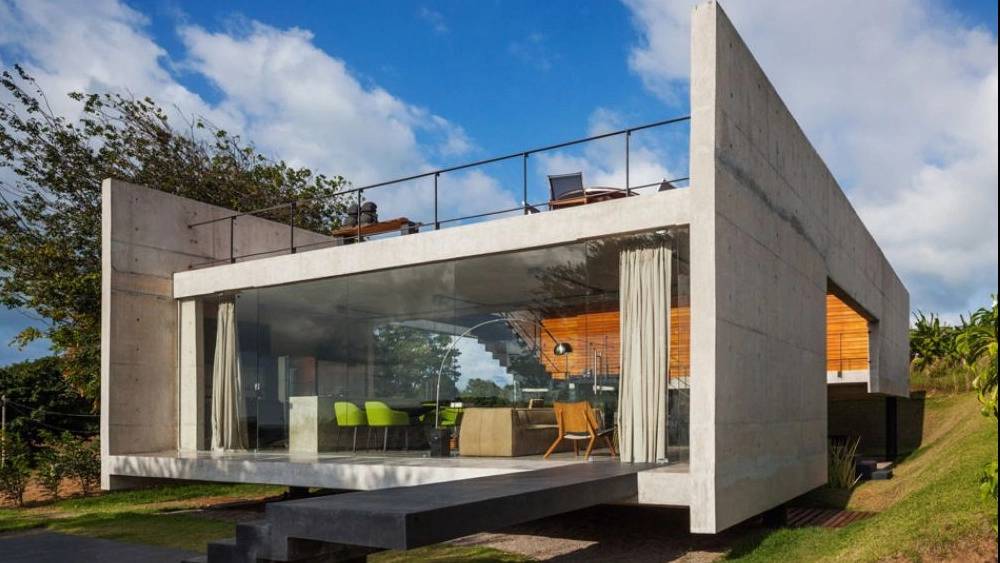
Convenient Building Price:
The production and installation of prefabricated concrete structures is usually more economical than the construction of traditional structures. Shorter production time, reduced workforce costs, and less material consumption, will significantly improve the cost of construction and installation of prefabricated concrete structures.
Diversity of Design and Flexibility:
Prefabricated concrete structures can be produced in different shapes and dimensions. This allows architects and designers to design and customize structures with their favorite designs and shapes.
Easy Installation and Run:
Concrete prefabricated structures are manufactured as ready -made parts and are easily installed at the building. This reduces run time and workforce costs. Also, the need for annoying and time -consuming construction activities at the building is minimized.
Quality and quality:
Prefabricated concrete structures are manufactured in factories and are under the supervision of expert and experienced individuals. This makes them more quality and quality than concrete structures. The use of advanced machinery and precise control in the production process ensures the quality and standards of prefabricated concrete structures.